Pelvic & Bladder Conditions
in Naples, FL

Conditions evaluated and treated at Florida Bladder Institute
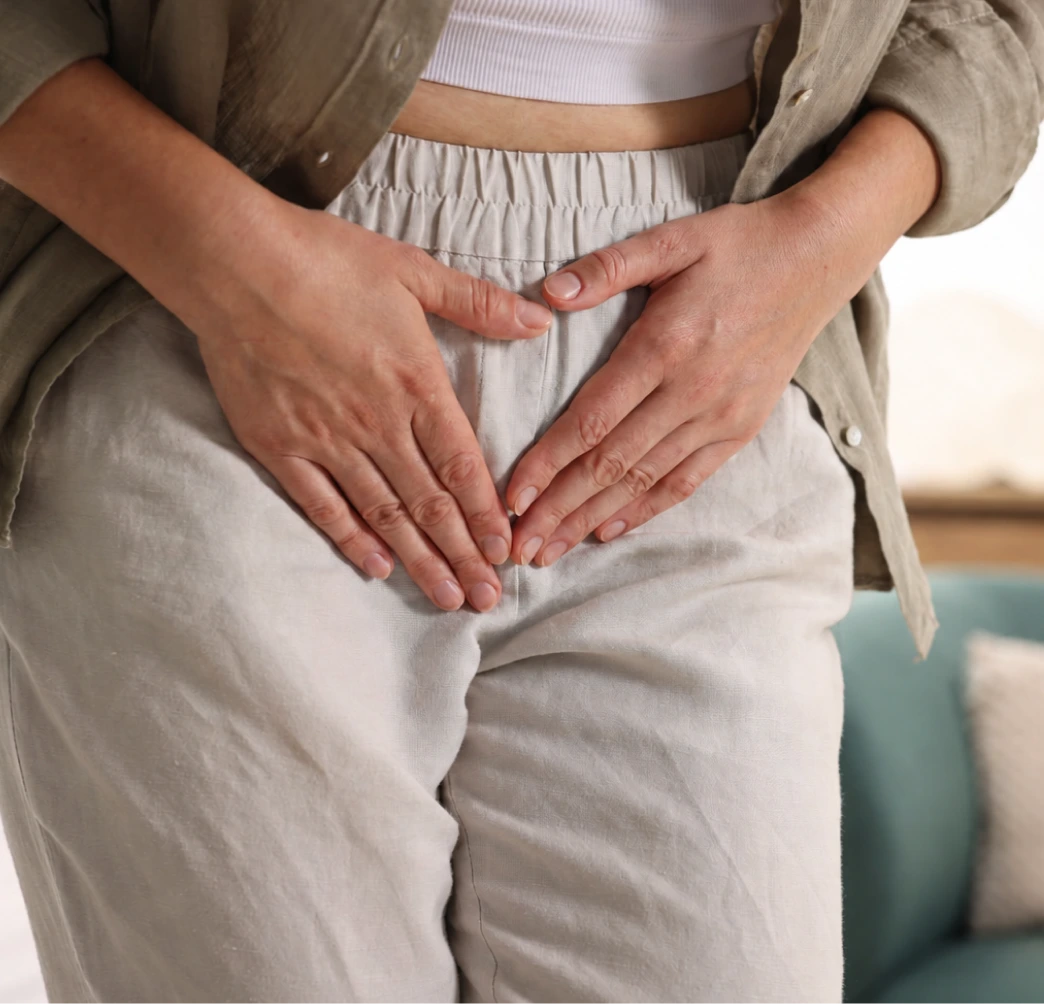
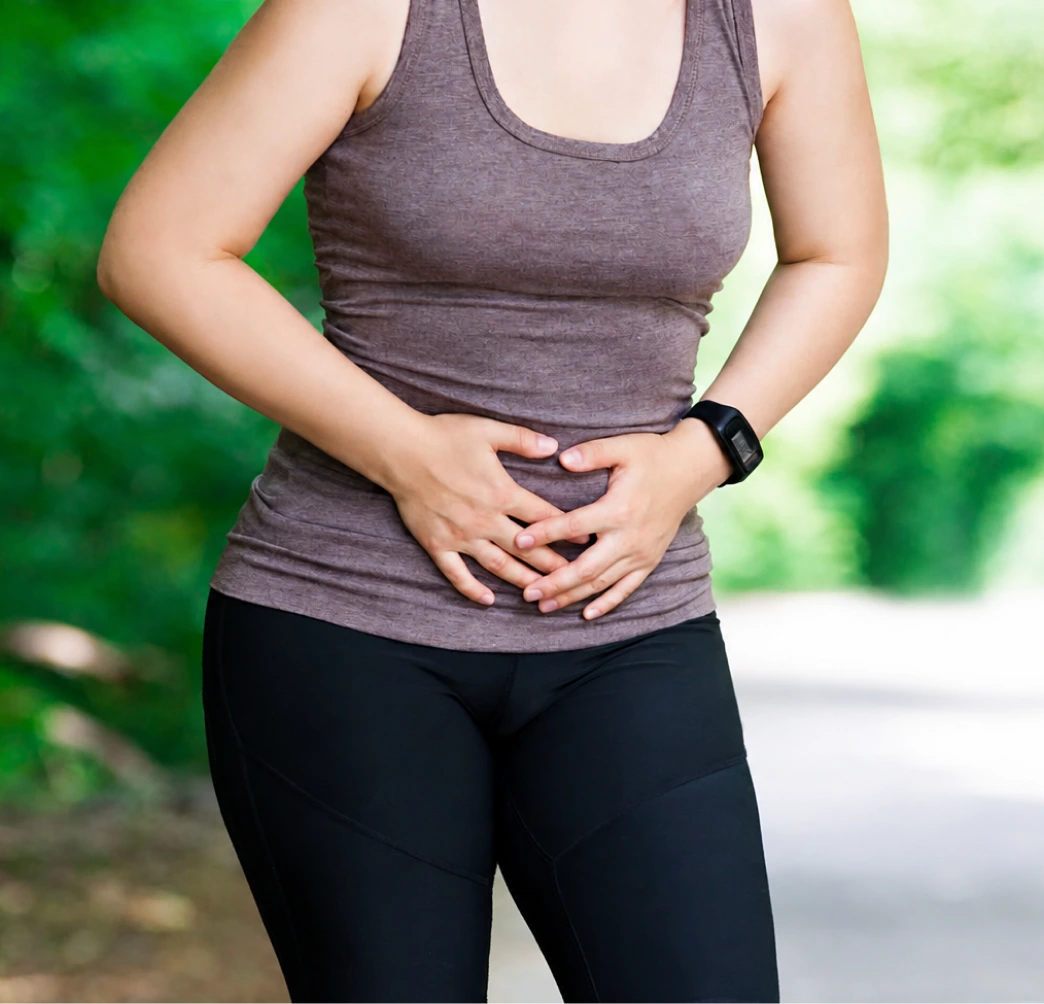
Person holding lower abdomen, indicating bladder discomfort or pain

Bladder Incontinence

Person holding lower abdomen, indicating bladder discomfort or pain
Loss of bladder control
Bladder incontinence involves involuntary urine leakage caused by weakened support, pressure changes, or bladder overactivity.
If left untreated, leakage can progress and significantly disrupt daily function.

Overactive Bladder

Urgent, frequent bladder contractions
Overactive bladder causes sudden bladder contractions that create strong urges and frequent trips to the bathroom.
Without care, urgency episodes can intensify and become harder to manage.
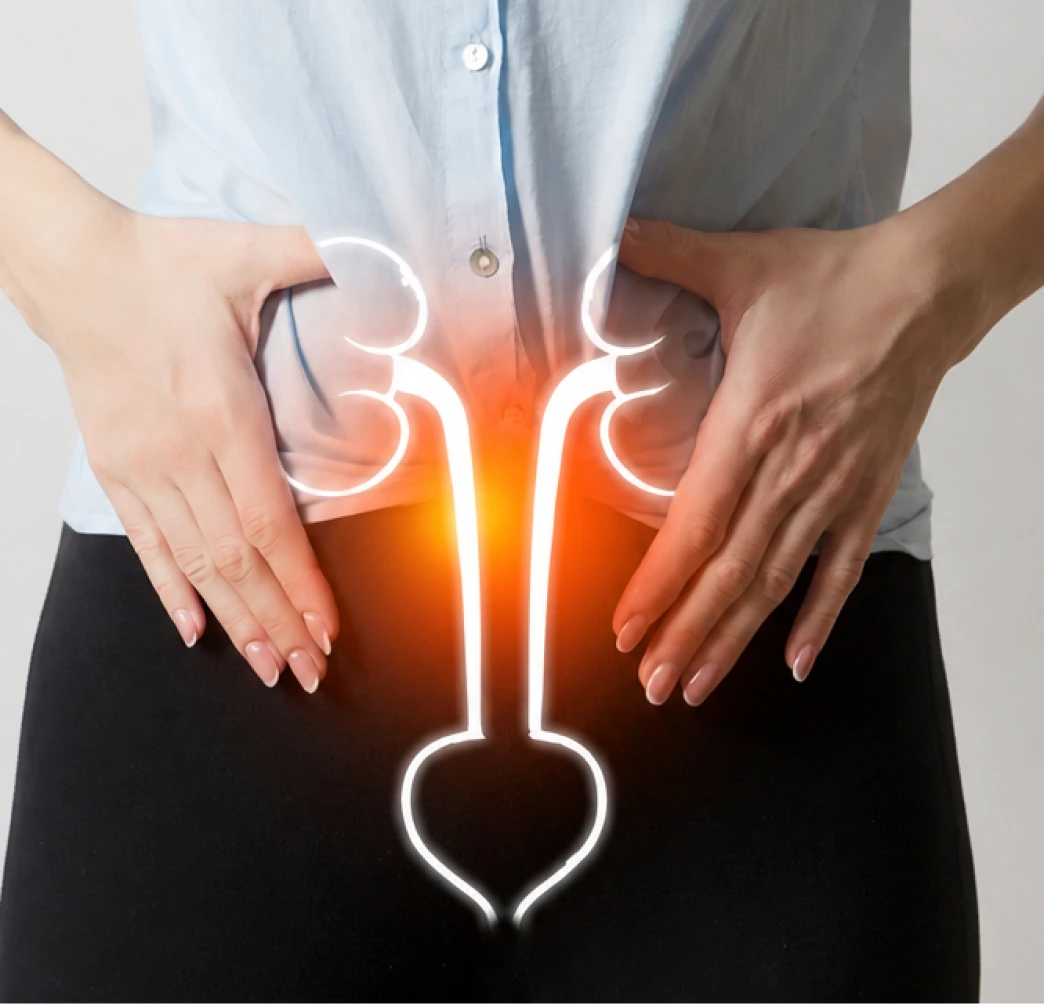
Illustration of urinary retention showing bladder and urinary tract with orange heat map highlighting affected area

Urinary Retention

Illustration of urinary retention showing bladder and urinary tract with orange heat map highlighting affected area
Difficulty emptying the bladder
Urinary retention occurs when the bladder cannot fully empty due to obstruction, muscle dysfunction, or nerve issues.
Untreated retention can increase infection risk and strain the bladder.

Recurrent UTIs

Repeated urinary infections
Recurrent UTIs involve multiple episodes of bladder or urethral infection caused by bacteria, inflammation, or structural factors.
Persistent infections can lead to chronic irritation and more severe episodes.

Cystitis

Bladder inflammation
Cystitis is irritation or inflammation of the bladder lining caused by infection, chemical triggers, or pelvic floor tension.
If untreated, inflammation can become chronic and increasingly painful.
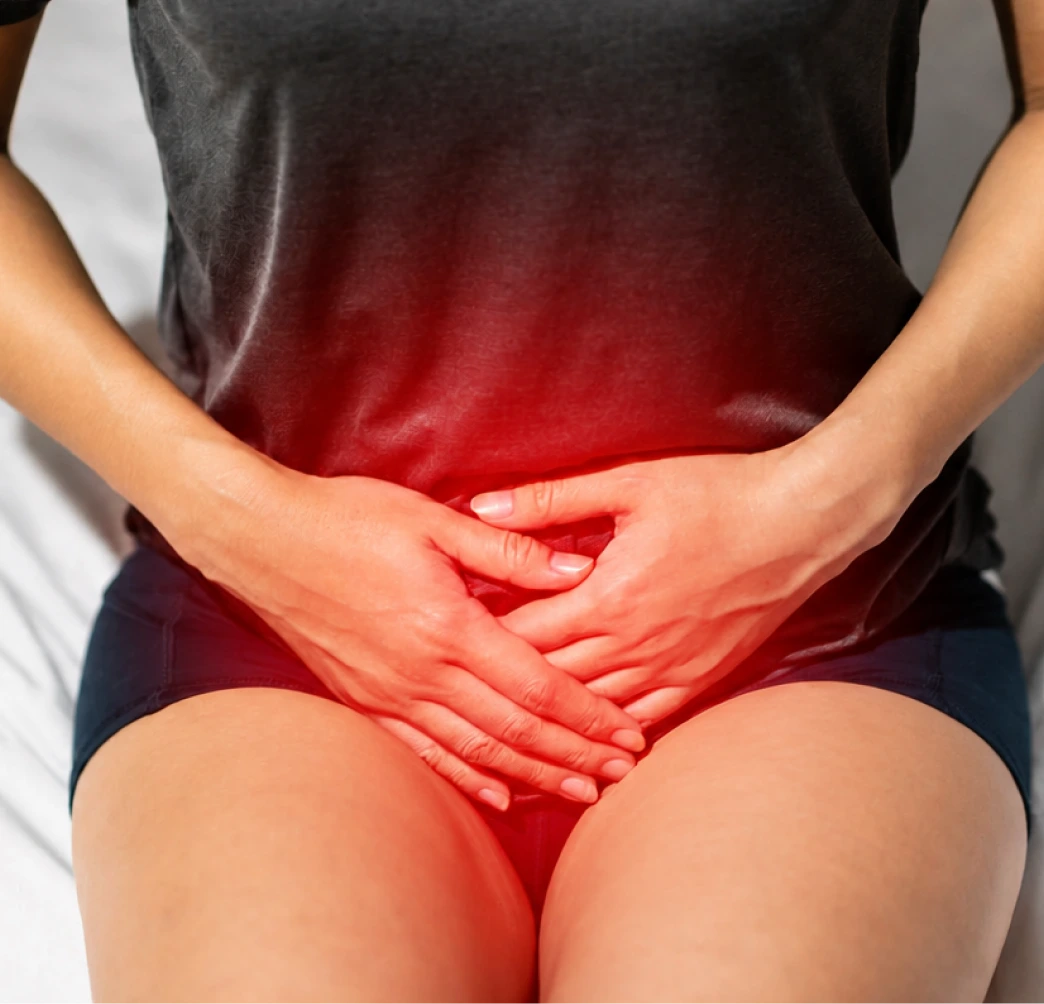
Person holding lower abdomen with red overlay indicating pelvic pain

Pelvic Pain

Person holding lower abdomen with red overlay indicating pelvic pain
Pain originating from pelvic structures
Pelvic pain may stem from muscles, nerves, reproductive organs, or bladder structures, creating persistent or cyclical discomfort.
Ongoing pelvic pain can escalate and interfere with mobility and routine.

Pelvic Floor Dysfunction

Impaired pelvic muscle coordination
Pelvic floor dysfunction occurs when pelvic muscles become too tight, too weak, or poorly coordinated.
Without care, muscle imbalance can worsen and affect bladder and bowel control.

Pelvic Organ Prolapse

Descent of pelvic organs
Prolapse happens when pelvic organs shift downward due to weakened support structures.
Prolapse can progress over time, increasing discomfort and functional limitations.
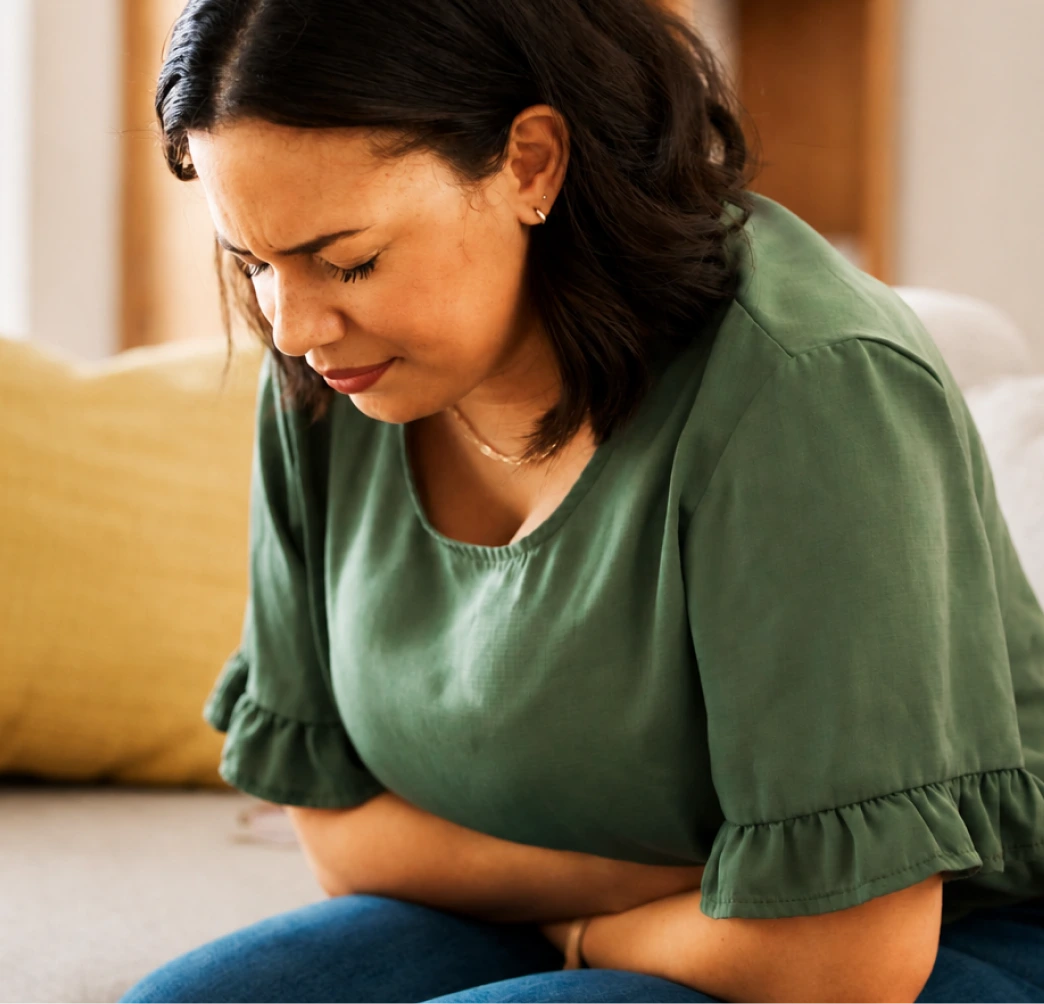
Woman holding her abdomen, experiencing pelvic pain associated with endometriosis

Endometriosis

Woman holding her abdomen, experiencing pelvic pain associated with endometriosis
Endometrial‑like tissue outside the uterus
Endometriosis causes inflammation and pain when tissue similar to uterine lining grows in areas where it shouldn’t.
Untreated inflammation can intensify and affect multiple pelvic systems.

Fibroids

Benign uterine growths
Fibroids are non‑cancerous growths that can create pressure, heavy bleeding, or pelvic discomfort depending on size and location.
Fibroids can enlarge over time, increasing bleeding and pelvic pressure.

Heavy Menstrual Bleeding

Excessive or prolonged menstrual flow
Heavy menstrual bleeding involves unusually intense or extended bleeding that disrupts daily routine.
If ignored, heavy bleeding can lead to anemia and severe fatigue.
Woman holding her abdomen, illustrating fecal incontinence discomfort

Fecal Incontinence

Woman holding her abdomen, illustrating fecal incontinence discomfort
Loss of bowel control
Fecal incontinence occurs when bowel movements cannot be fully controlled due to muscle, nerve, or structural issues.
Without care, episodes can increase and significantly affect daily stability.

Fecal Incontinence

Loss of bowel control
Fecal incontinence occurs when bowel movements cannot be fully controlled due to muscle, nerve, or structural issues.
If untreated, urgency can escalate and disrupt daily activities.
You Don't Have to
Suffer in Silence

Pelvic health issues are common, but they don’t have to be
your new normal. You deserve to feel confident,
comfortable, and in control. We’re here to listen, find the
root cause, and help you get back to living a life you love.

Kelly Medina, PA‑C

Certified Physician Assistant
Kelly Medina delivers pelvic health care grounded in both urology and urogynecology. Her experience includes diagnostic evaluation, symptom management, and treatment planning for bladder dysfunction and pelvic floor concerns. She earned her Master of Medical Science in Physician Assistant Studies from Nova Southeastern University and her undergraduate degree from Florida International University.

Gabrielle Wright, PA‑C

Certified Physician Assistant
Gabrielle Wright provides pelvic health evaluation and treatment with advanced training in gynecologic and urologic assessment. She supports individuals through initial consultations, diagnostic review, and management of bladder dysfunction, pelvic floor symptoms, and recurrent urinary issues. She completed her Master of Science in Physician Assistant Studies at the University of Dubuque, following academic training in biology and business administration.